Don't lose your savings to fake trading platforms
Scammers use fake brokers, fake licenses, and pressure tactics to steal your money. Learn what to spot before you invest.
How to Spot Fake Brokers
Learn the warning signs of unregistered brokers and verify legitimate credentials before you invest a single euro.
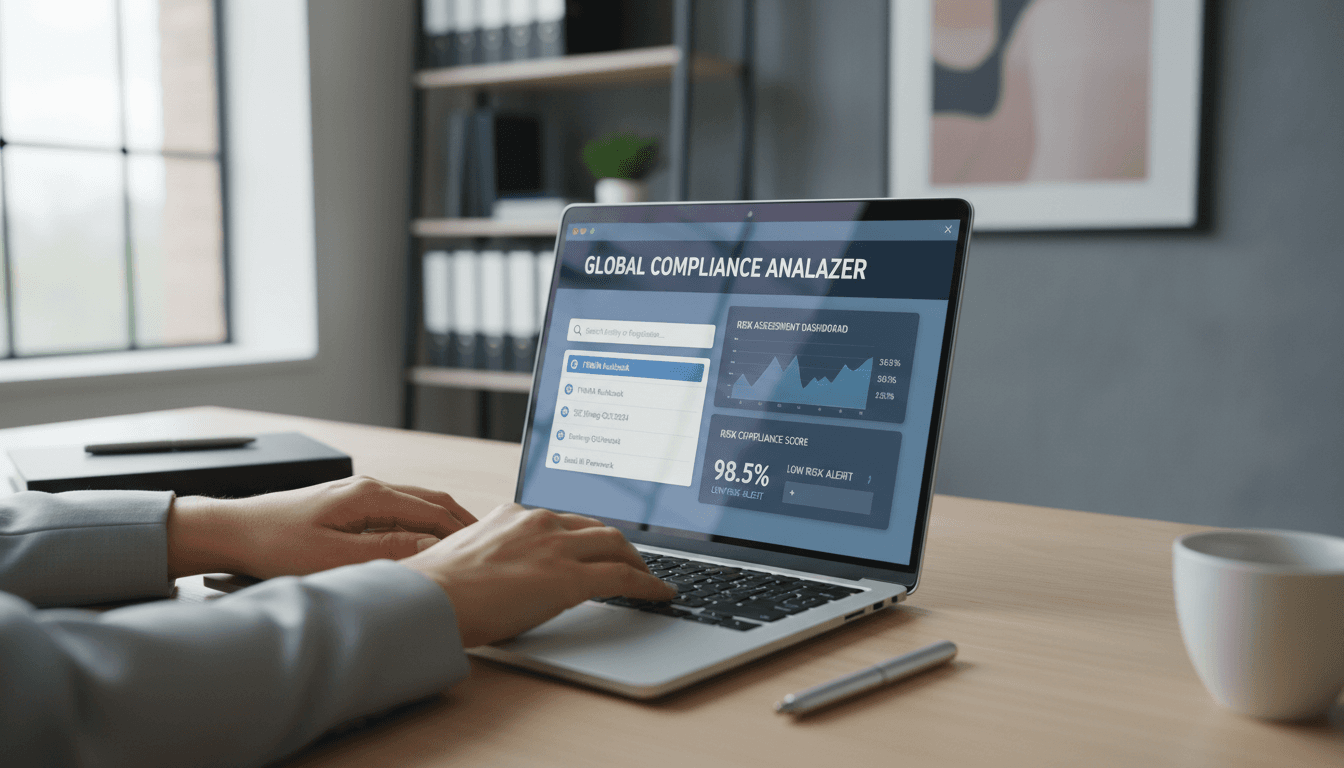
Check Registration Status
Verify brokers through official financial regulators. Italy's CONSOB and EU databases confirm legitimate trading platforms.
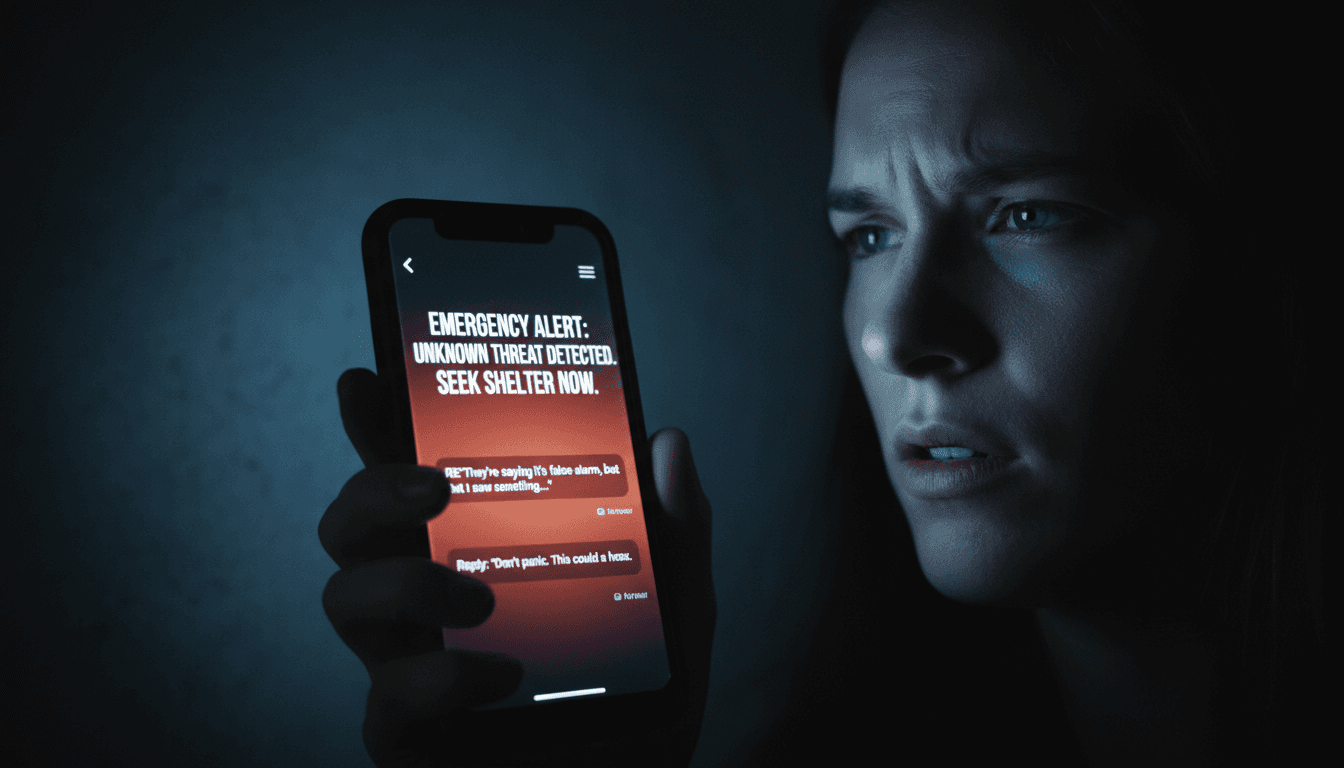
Red Flags in Communication
Unregistered brokers pressure you to invest fast, guarantee returns, or use unofficial channels. Legitimate firms communicate clearly and patiently.
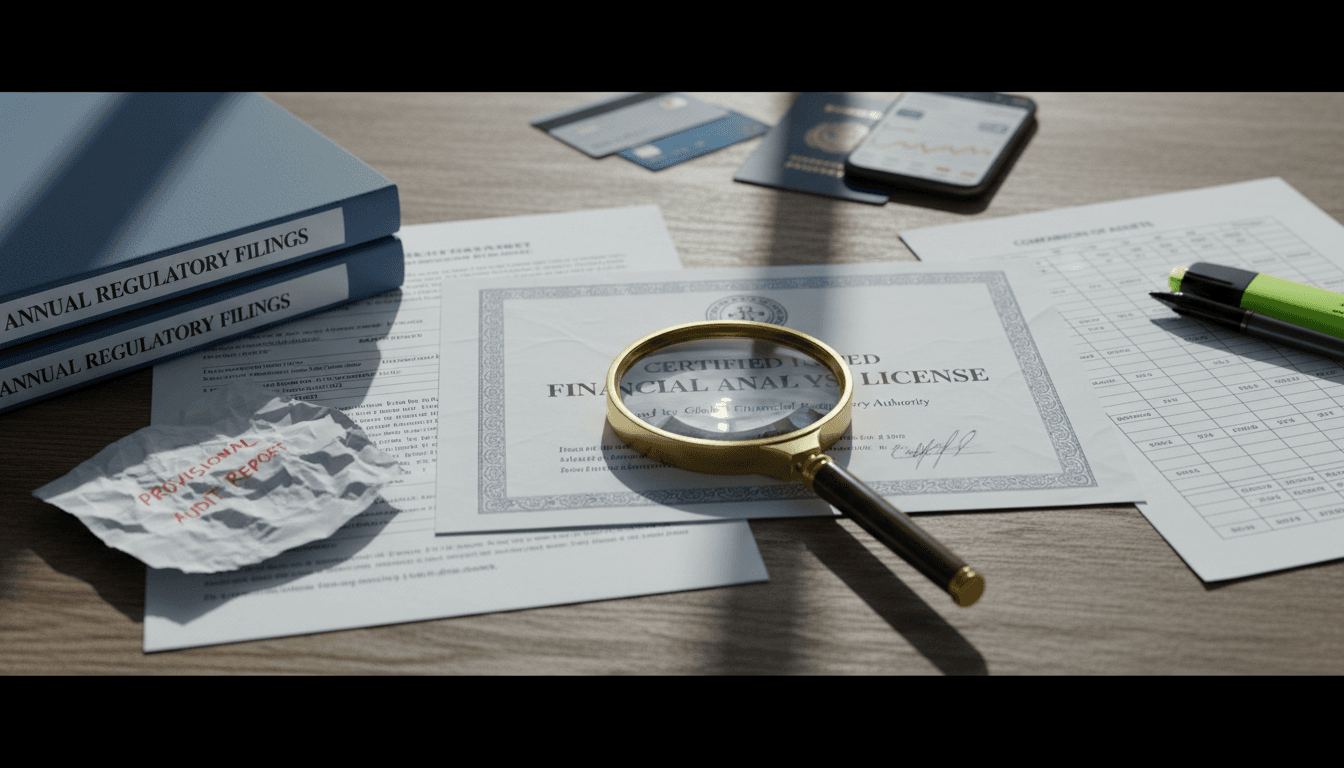
Fake Licenses and Documents
Scammers create convincing but false licenses. Compare broker credentials directly with regulatory authority websites, never trust images alone.

No Physical Address or Contact
Legitimate brokers list real office locations and regulated phone numbers. Missing or vague contact details is a major warning sign.
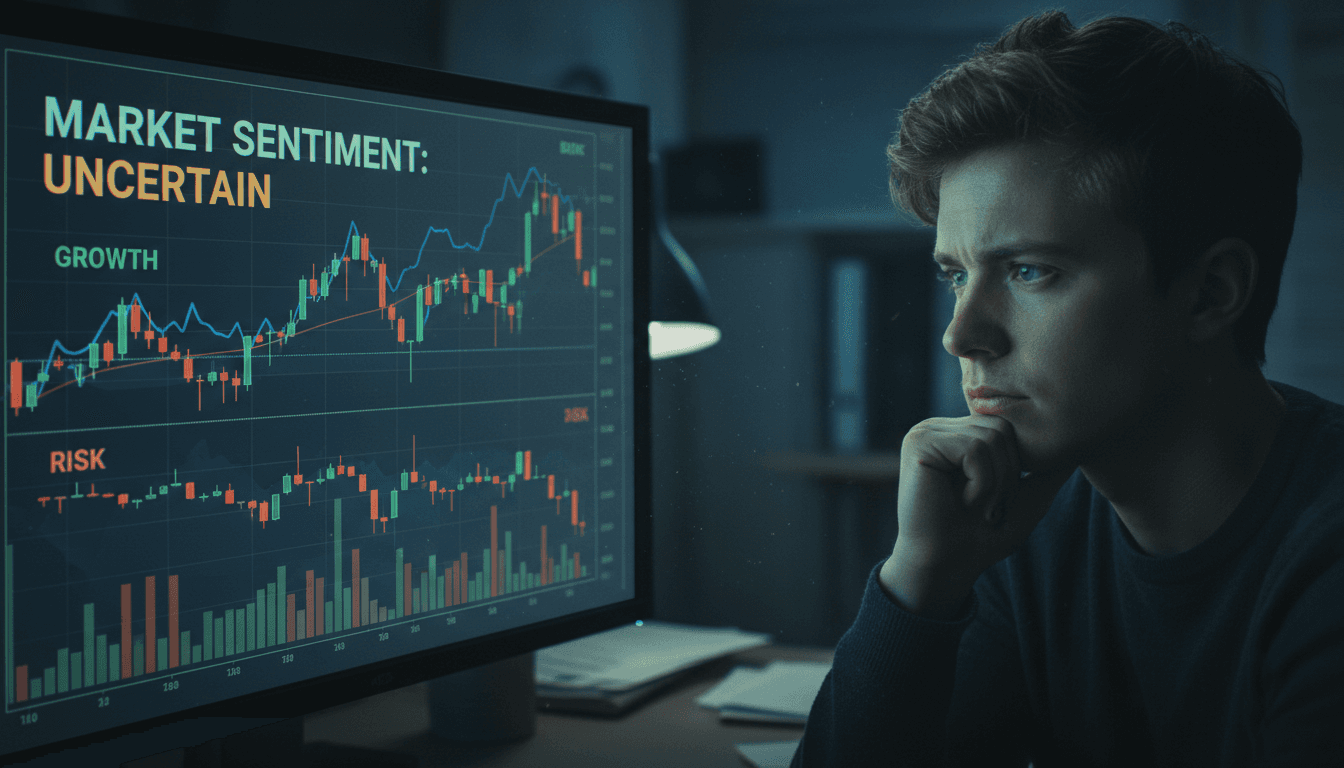
Unrealistic Promises
Guaranteed profits, risk-free trading, or promises of quick wealth don't exist. Real investment involves honest risk discussion and realistic timelines.
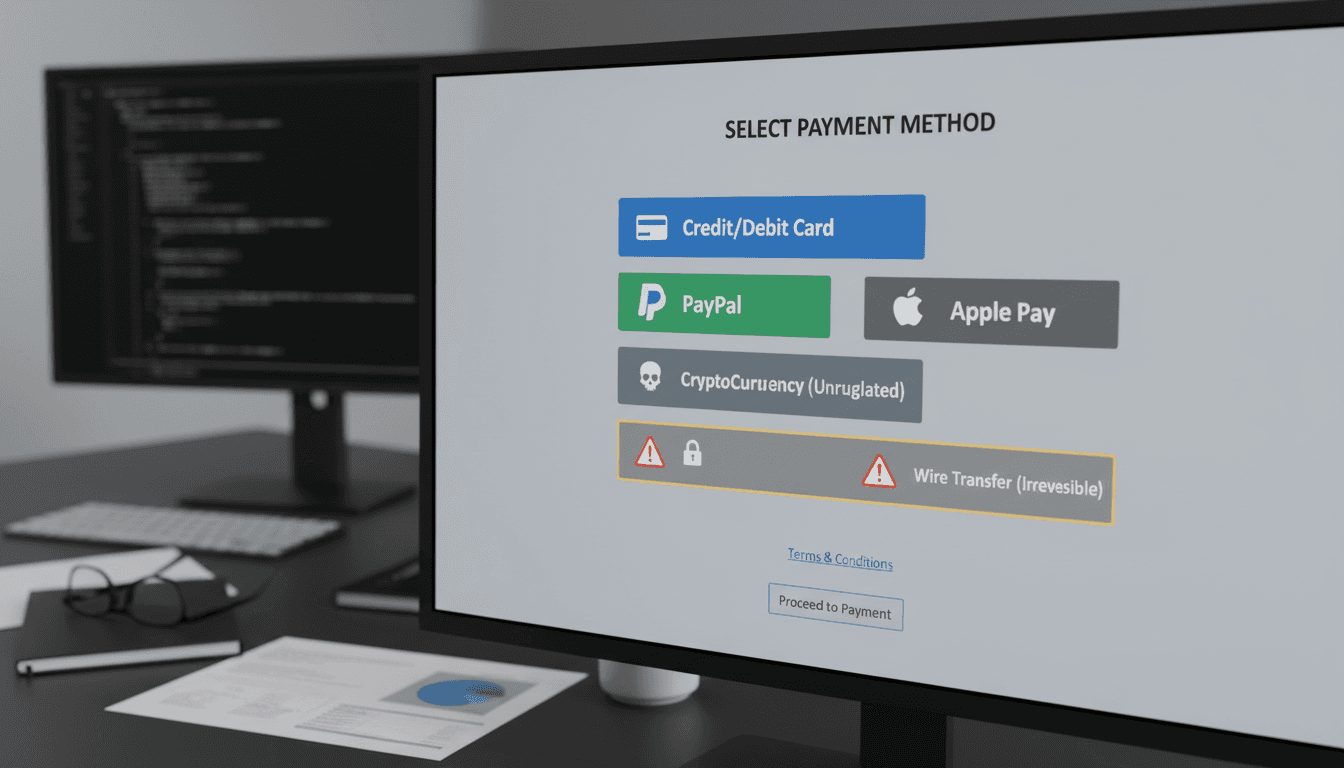
Unverified Payment Methods
Scam brokers request cryptocurrency, wire transfers, or unconventional payment. Regulated firms use established banking channels you can verify.
Financial scams cost investors billions every year
Understanding the scale of trading platform fraud helps you recognize why due diligence matters. These numbers show how widespread unregistered brokers and fake licenses have become.
2.3B+
Lost to trading scams
Global annual losses to fraudulent trading platforms and unregistered brokers continue to rise.
73%
Victims never recover funds
Most people who fall victim to trading platform scams lose their entire investment with little legal recourse.
1000+
Unregistered brokers active
Fraudulent platforms operate globally, many with fake licenses and zero regulatory oversight or accountability.
89%
Don't check registration first
Most investors skip verifying broker credentials before investing, making them vulnerable to fake platforms.
Questions about trading platform red flags
Find answers to help you spot scams and protect your investments from fake brokers and pressure tactics.
How do I verify if a broker is properly registered?
Check the broker's license with your country's financial regulator. In Italy, verify registration with CONSOB. Ask for the broker's license number, then confirm it directly on the regulator's official website, not through links they provide.
What are the most common fake license claims?
Scammers use logos of real regulators without actual licensing. They claim vague registrations like "EU regulated" or "internationally licensed" without specific details. Real brokers always display their exact license number and regulator name.
How can I recognize high-pressure sales tactics?
Watch for urgency ("limited time offer"), guaranteed returns ("risk-free profits"), and pressure to invest immediately. Legitimate brokers never rush you or promise specific gains. If you feel pressured to decide quickly, that's a red flag.
What should I do if I suspect a platform is a scam?
Stop all contact with the platform. Document everything you've communicated and any money transferred. Report the activity to your country's financial regulator and local police. Contact Scam Trading Platforms for guidance on next steps and potential recovery options.
Are offshore brokers automatically unsafe?
Not all offshore brokers are scams, but many lack proper oversight. Check if they're regulated by a recognized authority in their jurisdiction. Avoid platforms claiming to operate outside all regulation, as this removes your legal protections.
What warning signs should I watch for on a trading website?
Poor grammar and spelling, unprofessional design, no physical address listed, and missing contact information are common red flags. Real brokers maintain professional websites with clear regulatory disclosures and verifiable company details.
Need help identifying a scam?
Reach out to our team at Scam Trading Platforms for legal guidance and support with suspicious trading platforms.
Report suspicious activity and protect others
You've learned the red flags. If you've experienced a scam, report it to Scam Trading Platforms and get legal guidance to recover your losses.