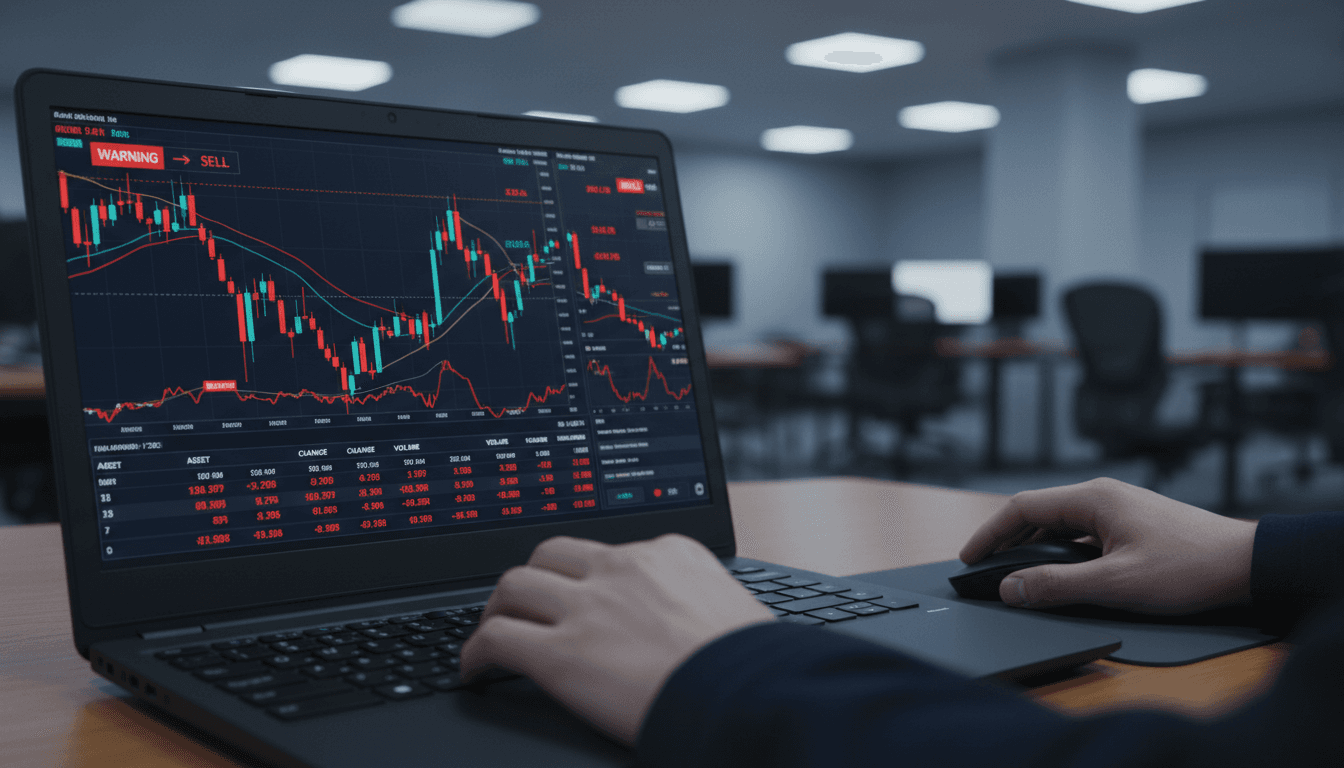
Spot the red flags before you invest
Learn the seven warning signs of scam trading platforms and protect your money from fraud.
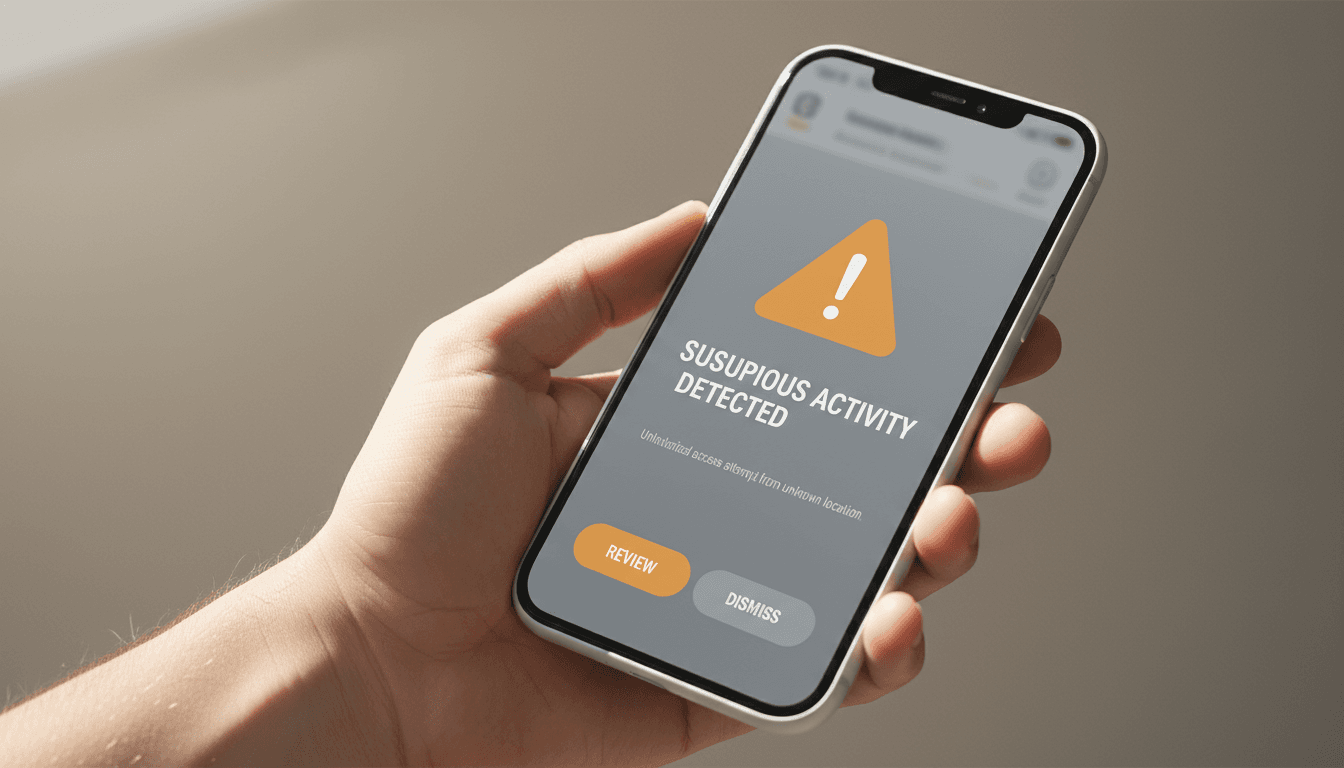
Spot a scam in seconds
Watch for these five critical warning signs. If a trading platform shows any of these red flags, stop and walk away. Your money is at risk.
Why scam trading platforms are on the rise
Online trading has exploded in popularity over the past decade, drawing millions of new investors worldwide. This growth has created a perfect opportunity for scammers to exploit inexperienced traders with promises of easy wealth. Understanding why these platforms thrive helps you stay ahead of the fraud.
Fake regulation claims are a common scam tactic
Scammers routinely claim to be regulated by financial authorities like the SEC, FCA, or CONSOB to appear legitimate. Verify any claimed regulation directly with the actual regulator before depositing money.
Guaranteed profits don't exist in trading
Any platform promising fixed returns or guaranteed gains is using a classic scam tactic. Real trading involves risk, and legitimate brokers are transparent about it. If returns sound too good to be true, they are.
Withdrawal restrictions are a major warning sign
Legitimate trading platforms let you access your money whenever you want. Scammers deliberately make withdrawals difficult, slow, or impossible. If a platform suddenly requires extra verification, charges hidden fees, or delays your withdrawal requests, that's a clear sign you're dealing with a scam.
Constant Pressure to Deposit More Money
Scammers use urgency and exclusivity to push you toward depositing additional funds. They'll claim limited-time opportunities, promise higher returns, or suggest your account needs more capital to unlock better results. This pressure is a deliberate manipulation tactic designed to extract more of your money before disappearing.
Fake account managers are a common scam tactic
Scammers assign fake account managers to build false trust and pressure you into depositing more money. Watch for aggressive sales tactics, unsolicited contact, and requests to transfer funds to personal accounts.
Manipulated trading platforms show unrealistic results
Scammers rig their platforms to display fake trade wins and inflated account balances. You'll see winning streaks that seem impossible, charts that move too perfectly, or returns that far exceed market averages. If results look too consistent to be real, they probably aren't.
No Clear Company Information or Address
Legitimate trading platforms always disclose their physical location, regulatory registration, and verified contact details. If a platform hides this information or provides vague answers, it's a serious warning sign. Scam Trading Platforms recommends verifying every claim before depositing money.
What to do if you notice these signs
If you recognize any of these red flags, take action immediately. Here's how to protect your funds and report the platform to the right authorities.
Questions about scam trading platforms
Get answers to the most common questions readers have about identifying and protecting themselves from trading scams.
How can I verify if a trading platform is actually regulated?
Check the platform's claimed regulator directly on their official website. Visit the regulator's database and search for the platform by name and license number. Never rely on documents or links provided by the platform itself. Legitimate regulators like CONSOB in Italy maintain searchable registries of authorized firms.
What should I do if I've already invested money in a suspicious platform?
Stop depositing immediately and document all communications, transactions, and platform screenshots. Contact your bank or payment provider to report the suspicious activity. Report the platform to your local financial regulator and consider filing a complaint with law enforcement. Contact Scam Trading Platforms for guidance on your specific situation.
Can legitimate platforms ever guarantee profits?
No. Any platform promising guaranteed returns, fixed profits, or risk-free gains is a red flag. Markets involve risk, and legitimate brokers never guarantee outcomes. Real trading platforms disclose risks clearly and explain how losses can occur. If profits sound too good to be true, they always are.
Why do scammers use fake account managers?
Fake account managers build personal relationships and trust to pressure you into depositing more money. They create urgency with claims about limited opportunities or market movements. They isolate you from doing independent research and push you toward emotional decisions rather than logical ones. Real brokers provide support but don't pressure deposits.
What happens if I can't withdraw my money from a platform?
Withdrawal problems are a major scam indicator. Scammers use delays, additional fees, or impossible verification requirements to prevent withdrawals. If you face unexpected obstacles, request your money in writing and keep records. If the platform continues blocking access, report it to authorities immediately and seek legal advice.
How do I report a scam trading platform I've identified?
Report to your country's financial regulator (CONSOB for Italy), your bank, and local police. Provide platform details, website URLs, communications, and transaction records. File complaints with your payment processor as well. Contact Scam Trading Platforms for additional resources and support in the reporting process.
Need more help?
Get in touch with Scam Trading Platforms for guidance on protecting your funds or reporting suspicious platforms.

Don't lose more money. Get legal help today.
If you've spotted these red flags, contact Scam Trading Platforms for immediate support and guidance on protecting your funds.