
How Scam Trading Platforms Trick Investors
Learn the six-step playbook fraudsters use to deceive traders and steal funds. Protect yourself by understanding their tactics.
What are trading scams and why they work
Trading scams are fraudulent schemes designed to steal your money by posing as legitimate investment platforms. Scammers use psychological tactics, fake credentials, and professional-looking websites to build trust before requesting deposits. Understanding how these schemes operate is your first line of defense.
How Scammers Hook You Through Ads and Social Media
Scammers use carefully targeted online ads and social posts to find vulnerable investors. They exploit psychological triggers like fear of missing out, promise of quick wealth, and social proof to build initial trust before moving you to their fake platforms.
How Fake Websites Build False Trust
Scammers copy legitimate broker designs pixel-for-pixel, using professional logos, certifications they don't own, and polished layouts. They mirror real company details to pass quick verification checks. What looks official takes seconds to create with modern web tools. Scam Trading Platforms helps you spot the difference before your money disappears.
How Fake Account Managers Manipulate Victims
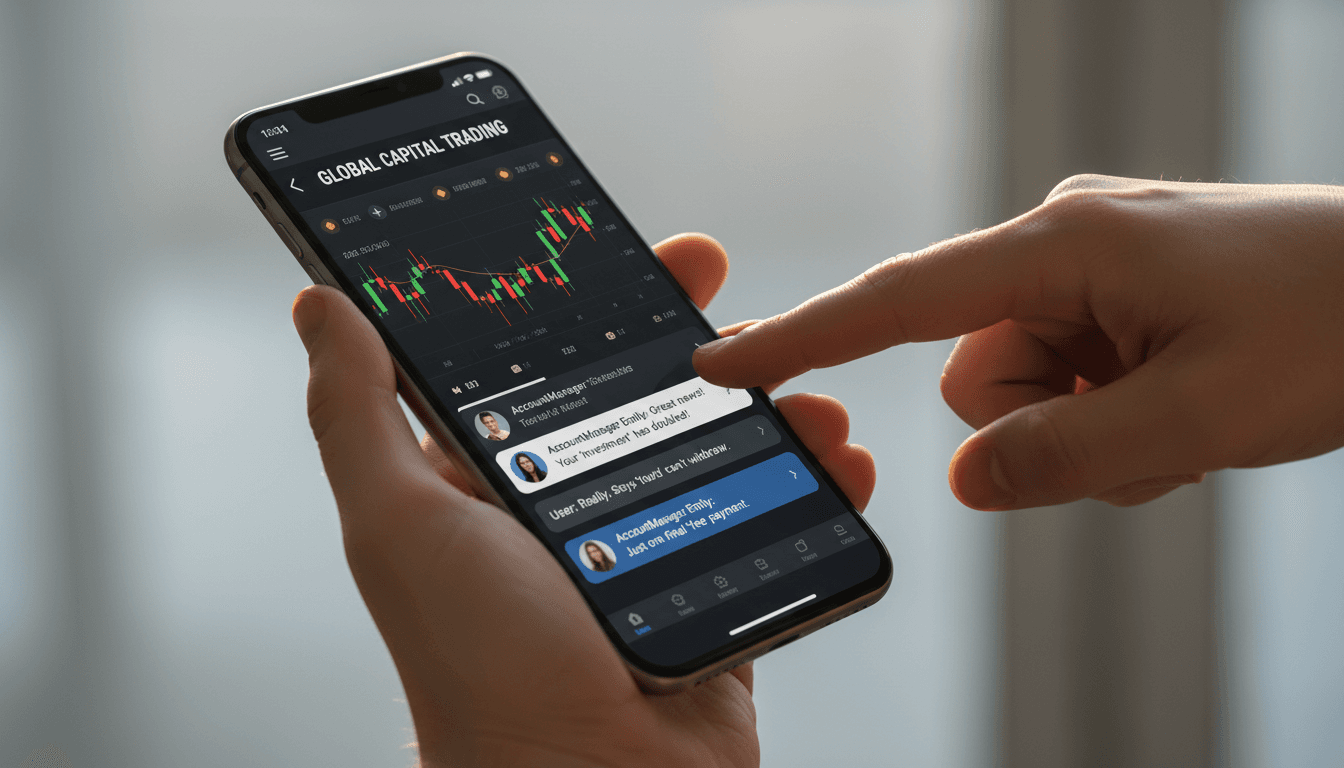
Scammers assign personal account managers who create a false sense of security through regular contact, personalized attention, and carefully crafted relationship-building. These managers use psychological tactics to build trust, answer concerns, and encourage larger investments before disappearing with the money.
How Fake Profits Appear Real on Your Account
Scammers use falsified account statements and fabricated trading records to show you consistent gains. These fake numbers are designed to build confidence and convince you to deposit more money.
The pressure tactic: Why scammers demand more money
Once victims see fake profits, scammers shift strategy. They create urgency and emotional pressure to invest larger amounts, using false promises of bigger returns and manufactured reasons to act fast.
How Scammers Block Your Withdrawal Requests
Once you try to withdraw funds, scammers create artificial barriers. They demand extra fees, require identity verification, claim technical glitches, or simply ignore withdrawal requests entirely. By this point, your money is already gone.
Why victims don't realize they've been scammed
Scammers exploit psychological vulnerabilities that make victims doubt their own judgment. Understanding these emotional and cognitive patterns helps explain why many people don't recognize the fraud until significant money is gone.
How to Spot and Avoid Trading Scams Before You Invest
Know what to look for before your money is at risk. Scam Trading Platforms walks you through the red flags, verification steps, and safeguards that separate legitimate brokers from fraudulent schemes designed to steal your capital.
Questions about trading scams
Get straight answers about how scams work, how to spot them, and what to do if you're targeted.
How do I know if a trading platform is legitimate?
Check if the platform is registered with your country's financial regulator. Verify the company address and contact details on their website. Legitimate brokers publish clear regulatory information and licensing numbers. Be suspicious of platforms that avoid disclosing this information or use vague business locations.
Why do scammers focus on promises of guaranteed profits?
Guaranteed returns are illegal in regulated finance. Scammers use this promise to bypass rational thinking and create urgency. Real investment always carries risk. If someone guarantees specific returns, that's a red flag that the platform isn't legitimate or that your money isn't actually being invested.
Can I get my money back if I've been scammed?
Recovery depends on where your money went and how quickly you act. Report the scam to local police and your country's financial regulator immediately. Contact your bank to see if they can reverse transfers. Recovery is difficult, which is why prevention matters more than recovery.
What should I do if a fake account manager pressures me to deposit more?
Stop all communication and do not send more money. Pressure tactics, urgency, and requests for additional deposits are classic scam signs. Screenshot all conversations. Report the platform to your financial regulator and contact local law enforcement with all evidence you have.
Why can't I withdraw my money from a trading account?
Scammers block withdrawals to prevent victims from realizing the money was never invested. They may demand taxes, fees, or additional deposits as conditions for releasing funds. Real platforms allow immediate withdrawals to registered accounts. If you can't withdraw, you're likely on a fake platform.
How can I verify a trading platform before investing?
Always check the official regulator's website for the platform's license. Call the regulator directly using a number from their official site, not from the platform's website. Research independent reviews from known financial news sources. Ask friends or colleagues if they've used the platform. Never rely solely on the platform's own claims or testimonials.
Need more guidance?
Contact Scam Trading Platforms for legal resources and support related to financial scams.
Verify before you invest Don't become a victim
Check regulatory status and platform legitimacy now. Get expert guidance on what to look for before depositing a single euro.