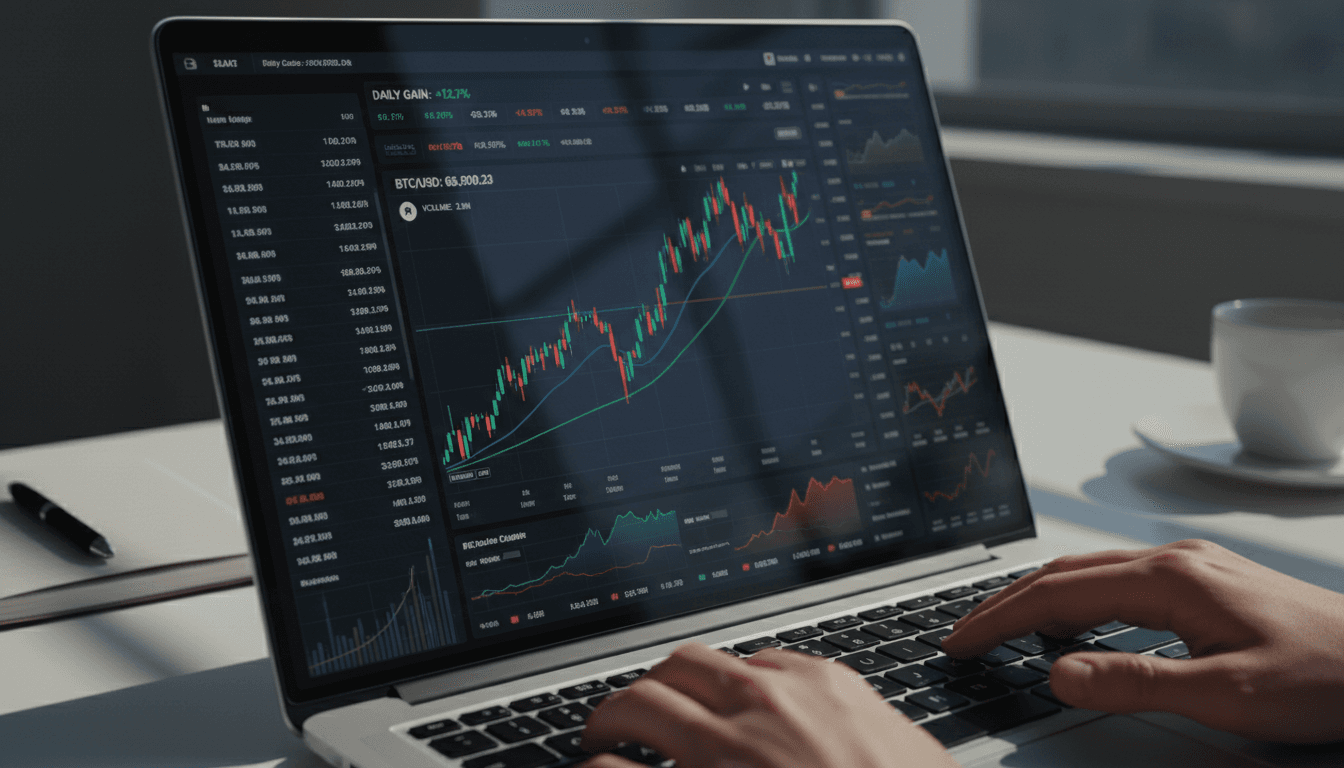
Why Scam Trading Websites Look So Real
Scammers use professional design, fake testimonials, and psychological tactics to build trust. Learn how to spot the red flags before you invest.
How scammers build convincing fake trading sites
Scammers now invest in professional design, authentic-looking dashboards, and fake testimonials to build trust. Understanding their tactics helps you spot the difference between real and fraudulent platforms before your money is at risk.
How scammers build trading interfaces that fool you
Scammers use fake dashboards to make losses look like gains. Learn what to watch for: charts with impossible patterns, unrealistic returns, and data that doesn't add up. Real trading platforms don't show perfect upward trends.
How scammers use fake faces and borrowed images to build trust
Scammers source stock photos and fabricated reviews to make fake trading sites look legitimate. Learn to spot the difference between real customer feedback and manufactured proof.
How scammers clone legitimate broker websites
Fraudsters use website builders and design templates to recreate the exact look and feel of real trading platforms. They copy logos, color schemes, layout structures, and even regulatory claims to make their sites appear trustworthy. Understanding these tactics helps you spot the differences.
How scammers exploit your instincts to secure investment
Fake trading platforms don't succeed through deception alone. They weaponize psychological triggers like urgency, social proof, and scarcity to override your critical thinking. Understanding these tactics is your first defense.
How easy tools make scam sites look legitimate
Website builders, social media platforms, and design tools have removed technical barriers. Scammers no longer need coding skills to create convincing trading websites that deceive thousands.
Red flags that reveal fake trading websites
Poor grammar, spelling errors, and vague company information are common warning signs. Suspicious payment methods and promises that sound too good to be true should raise immediate concerns.
How to verify a trading website is real
Before investing with any platform, check for regulatory licenses, read independent reviews, and be skeptical of guaranteed returns. Real brokers are transparent about who they are and how they operate.
Questions about fake trading websites?
Find answers to common concerns about spotting scams, reporting them, and protecting yourself.
How do I report a suspicious trading website?
Report the scam to your local financial regulator or consumer protection agency. If you've lost money, contact your bank immediately and file a report with local law enforcement. Document all communications and transaction details to support your case.
What should I do if I've already sent money to a scam broker?
Stop all contact with the scammer immediately. Alert your bank or payment provider right away to report the fraud. File a report with law enforcement and your financial regulator. Preserve all evidence including emails, messages, and transaction records for investigators.
Can I recover money from a fake trading platform?
Recovery is difficult but possible in some cases. Contact your bank or payment processor to request a chargeback. Work with law enforcement and your regulator to trace funds. Be cautious of recovery scams that charge upfront fees promising to retrieve your money.
What are the most common red flags on fake trading sites?
Watch for unregistered brokers, guarantees of high returns, pressure to deposit more money, difficulty withdrawing funds, and poor website quality. Also check for fake testimonials, unrealistic trading charts, and vague company information or missing regulatory details.
How can I verify if a trading platform is legitimate?
Check the broker's regulatory status on official financial authority websites. Look up independent reviews on trusted sites and verify the company's registration details. Test their withdrawal process before depositing large amounts. Be skeptical of any platform promising guaranteed profits.
Are fake trading websites legal to operate?
No. Scam trading platforms operate illegally without proper financial licenses or regulatory approval. Operators face criminal charges for fraud and theft. If you discover an illegal platform, report it to financial authorities and law enforcement in your country.
Need more help?
Contact Scam Trading Platforms for support with scam recovery or to learn more about protecting yourself.
Don't let convincing websites fool you
Scam Trading Platforms provides legal resources and expert guidance to help you identify and report fraudulent trading sites safely.