Protect Your Crypto Investments From Scams
Learn how to identify fake exchanges, pump-and-dump schemes, and social engineering tactics used by crypto scammers.
Why crypto scams are growing so fast
Cryptocurrency's anonymous nature, lack of global regulation, and explosive growth have created the perfect environment for fraud. Scammers exploit these gaps faster than regulators can close them. Scam Trading Platforms helps you understand these vulnerabilities so you can protect yourself.
How fake cryptocurrency exchanges operate and steal your money
Fake exchanges mimic legitimate platforms to gain your trust, then lock your funds or disappear entirely. Learn the warning signs that separate real exchanges from scams designed to drain your account.
How pump-and-dump schemes manipulate crypto prices
Scammers coordinate to artificially inflate a token's price, attracting unsuspecting investors. Once the price peaks, they sell their holdings and vanish, leaving buyers with worthless assets. Understanding this pattern is your best defense.
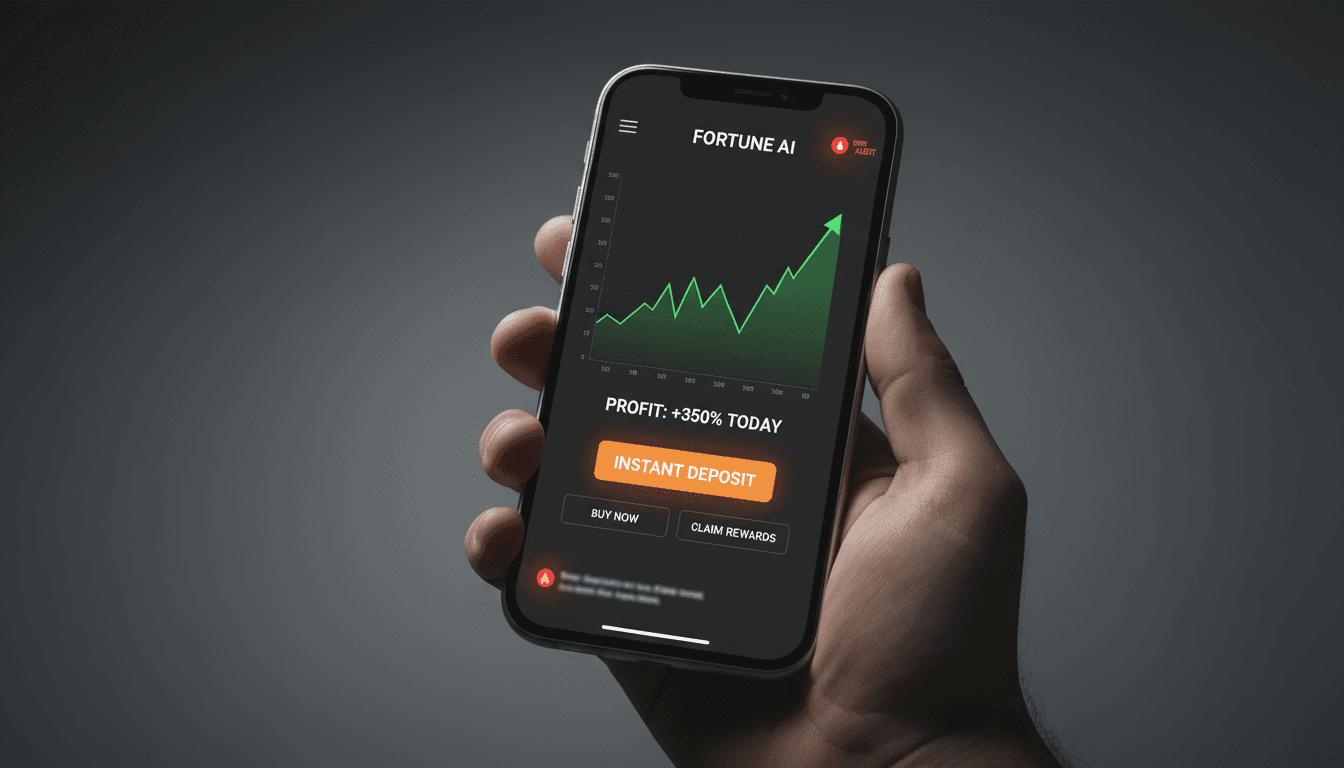
How fake trading bots trap investors with false promises
Scammers market fake bots as automated profit machines, claiming guaranteed returns and hands-off earnings. We explain how these tools actually work, the red flags to spot, and why legitimate bots operate completely differently so you can protect your crypto investments.
How scammers fake celebrity endorsements to promote crypto schemes
Fraudsters use deepfakes, stolen social media accounts, and fabricated testimonials to impersonate celebrities and drive investment into fake crypto platforms. Learn how to verify authentic endorsements and protect yourself from these deceptive tactics.
How to protect your crypto investments
Research exchanges thoroughly before depositing funds. Use secure wallets, enable two-factor authentication, and stay informed about market developments. Scam Trading Platforms provides the legal resources you need to invest safely.
Secure your crypto account in three essential steps
Enable two-factor authentication on every exchange, use passwords you can't guess, and check your account activity weekly. These practices block most scammers before they access your funds.
Cryptocurrency scam questions answered
Get clear answers to protect yourself from crypto trading scams and understand recovery options.
How can I tell if a crypto exchange is fake?
Check if the exchange is registered with financial regulators in its claimed country. Look for a physical address and phone number, read independent reviews on trusted sites, and test their withdrawal process with a small amount before depositing more.
What should I do if I've lost money to a scam?
Stop communicating with the scammers immediately. Contact your bank and payment provider to report the fraud. File a report with your country's financial authority and local police. Preserve all evidence: emails, messages, screenshots, and transaction records for investigators.
How do pump-and-dump schemes work in crypto?
Scammers buy low-priced coins, then hype them through social media and fake influencers to drive up the price. Once the price rises, they sell their coins at profit while prices crash, leaving regular investors with losses. These schemes are illegal and hard to recover from.
Are celebrity endorsements for crypto investments real?
Most celebrity crypto endorsements you see online are fake. Scammers use deepfakes or stolen images to impersonate celebrities. Always verify celebrity claims directly through their official social media accounts or verified websites, never through investment links.
Can I recover money lost to a crypto scam?
Recovery is difficult but sometimes possible. Contact Scam Trading Platforms for guidance on legal options. Work with your bank and financial authorities. Be cautious of recovery services offering guaranteed results, as these are often additional scams targeting victims.
What's the best way to secure my crypto investments?
Use hardware wallets to store coins offline. Enable two-factor authentication on all accounts. Use strong, unique passwords. Never share private keys or recovery phrases. Research exchanges thoroughly before depositing, and only use regulated platforms with transparent company information.
Need more help?
Contact Scam Trading Platforms for guidance on reporting scams or understanding your legal options.

Verify Before You Invest
Don't let a scam cost you. Research the exchange, check its credentials, and confirm regulation before you deposit a single coin.
How scammers use social media to target crypto investors
Scammers exploit social media's speed and trust to promote fake exchanges and investment schemes. Learn how to spot deceptive posts, verify claims, and protect yourself from these tactics.