Crypto Trading Platform Scams Explained
Learn how fake exchanges, fake dashboards, and pig butchering schemes steal millions. Protect yourself with real warning signs.
Crypto trading fraud is growing faster than ever
Scammers launch thousands of fake platforms daily, targeting investors worldwide. Scam Trading Platforms documents real cases and warns victims before they lose everything.
Fake trading platforms scamming victims daily
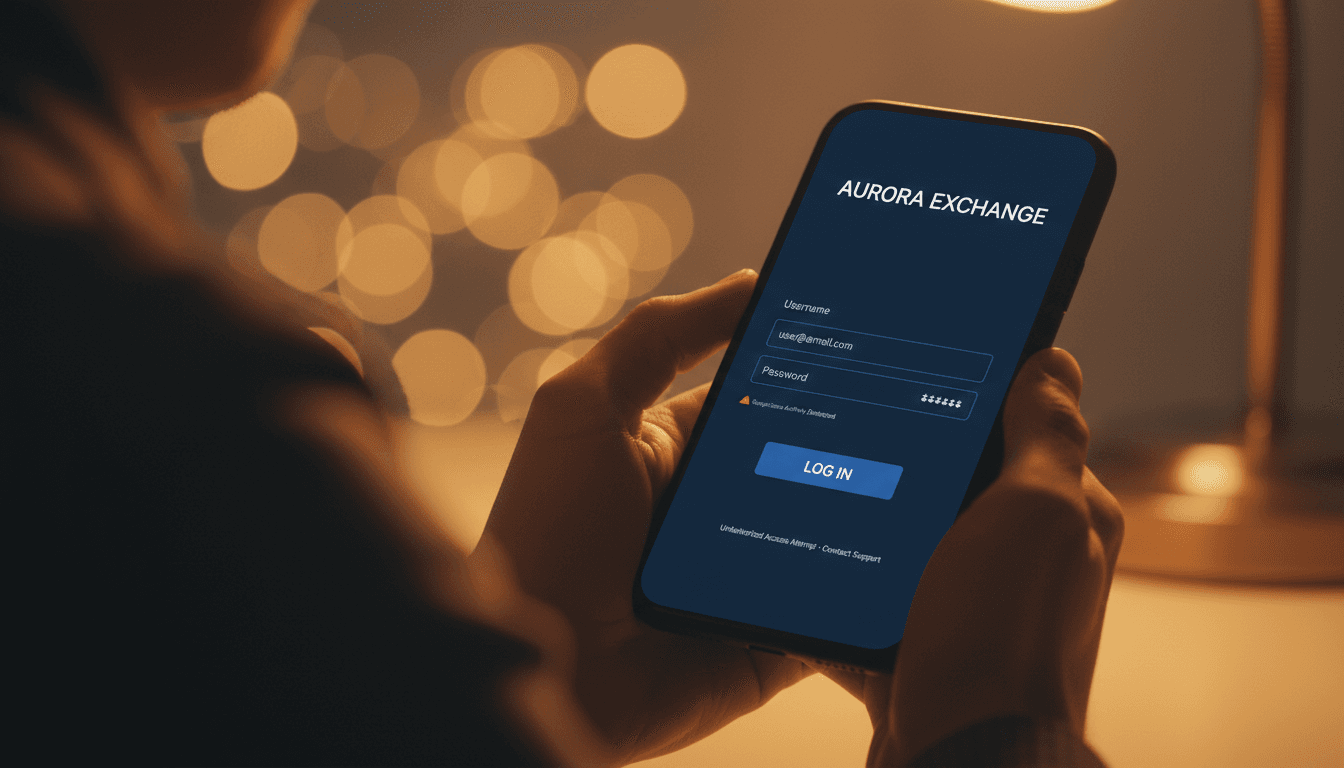
Chainrealm.org, Melloncrypto.com, Chainforce.cc, and Gold-start.com are among the most active fake platforms operating today. Each uses stolen brand identities, fake regulatory claims, and manipulated trading dashboards to trap investors. Learn how they operate so you can spot the warning signs.
How pig butchering scams build trust before the ask
Scammers spend weeks or months gaining your trust through fake relationships before introducing cryptocurrency investments. They use personal connection to override your caution, making the eventual investment request feel natural and safe.
How fake trading dashboards trap victims
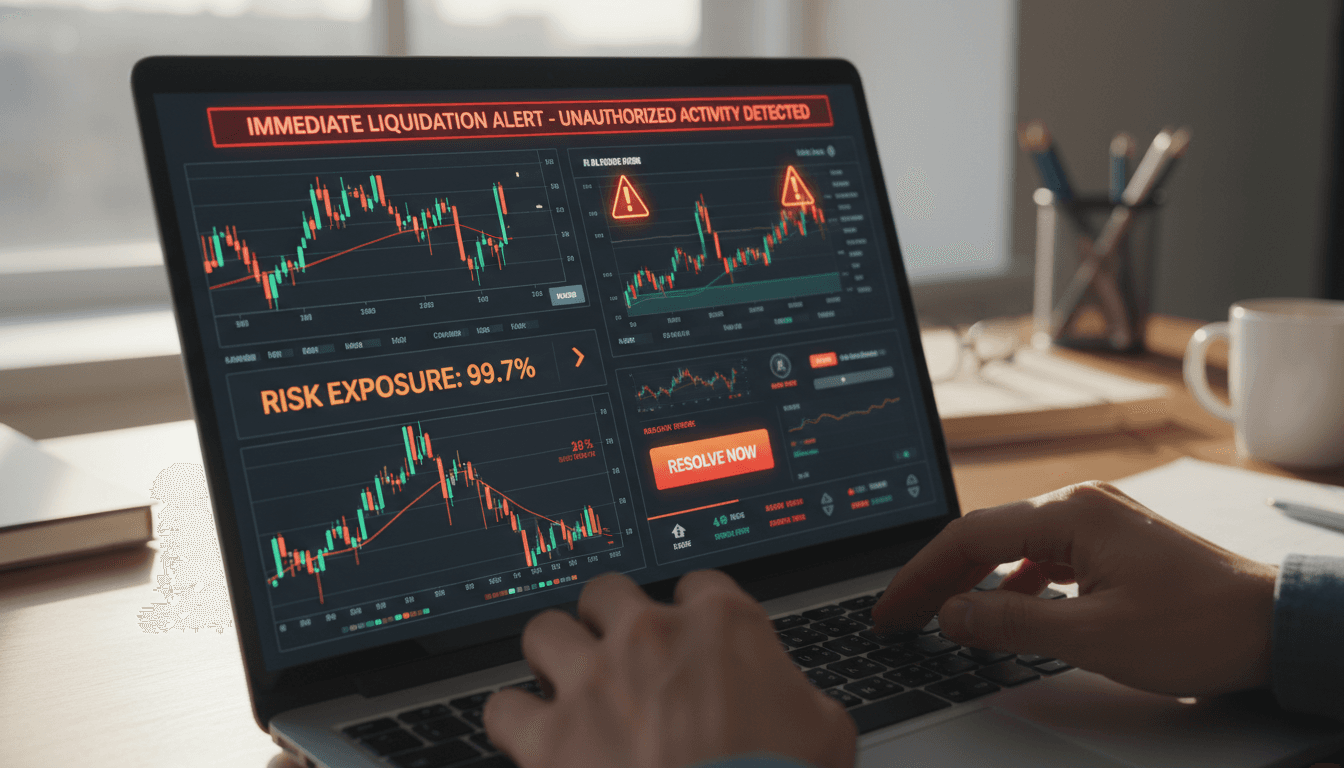
Scammers use fabricated trading interfaces that look identical to legitimate platforms. These fake dashboards display fake profits, manipulated charts, and inflated account balances to keep victims investing more money.
How fake withdrawal fees and taxes drain your account
Scammers create fake fee structures and tax requests that appear legitimate. When you try to withdraw profits, they demand payment for supposed taxes or processing costs. Learn how to spot these demands and what real trading platforms actually charge.
Why victims lose millions to these scams
Scam Trading Platforms has documented cases where victims lost $1.2 million to APL Management, $50,000 to Coxno, and $37,000 to Richdl. These aren't small mistakes—they're carefully orchestrated schemes designed to extract maximum funds before disappearing entirely.
How to avoid crypto investment fraud
Don't invest based on unsolicited offers. Research every platform thoroughly, verify regulation with official bodies, and watch for pressure to deposit quickly. If something feels rushed or too good to be true, walk away.
Common questions about crypto scams
Get answers to what matters most about recognizing and avoiding trading platform fraud.
What's the difference between a fake exchange and a legitimate one?
Legitimate exchanges are regulated, display clear company information, and allow you to withdraw funds. Fake platforms lack regulation, hide ownership details, and block or delay withdrawals indefinitely. Check regulatory status on official financial authority websites before trading.
How can I tell if a trading dashboard is real or fake?
Fake dashboards show unrealistic profits, use stolen logos from real platforms, and never let you withdraw. Real platforms show transparent fee structures, realistic returns, and process withdrawals quickly. Test small withdrawals first to verify functionality.
Why do scammers ask for withdrawal fees before sending my money?
Withdrawal fees are a classic scam tactic. Legitimate platforms deduct fees automatically from your account. If someone asks you to pay fees upfront to access your own money, it's fraud. Your funds should never require payment to retrieve.
What should I do if I've already sent money to a suspicious platform?
Stop all communication immediately. Contact your bank or payment provider to report the fraud and request a chargeback if possible. Document all conversations and transactions. Report the scam to local authorities and financial regulators. Do not send additional money, even if promised recovery.
How do I verify that a crypto platform is actually regulated?
Visit your country's financial regulator website directly and search their license database. Never use links from the trading platform itself. Look for specific license numbers and regulatory authority contact details. Scam Trading Platforms provides resources to help you research trading platforms safely.
Are there red flags I should watch for when an account manager contacts me?
Real platforms don't assign personal account managers to cold prospects. Unsolicited offers of guaranteed returns, pressure to deposit more, and requests to use specific payment methods are all warning signs. Scammers build relationships to gain trust before requesting larger deposits.
Need more help?
Contact Scam Trading Platforms for support and legal guidance on trading platform fraud.